
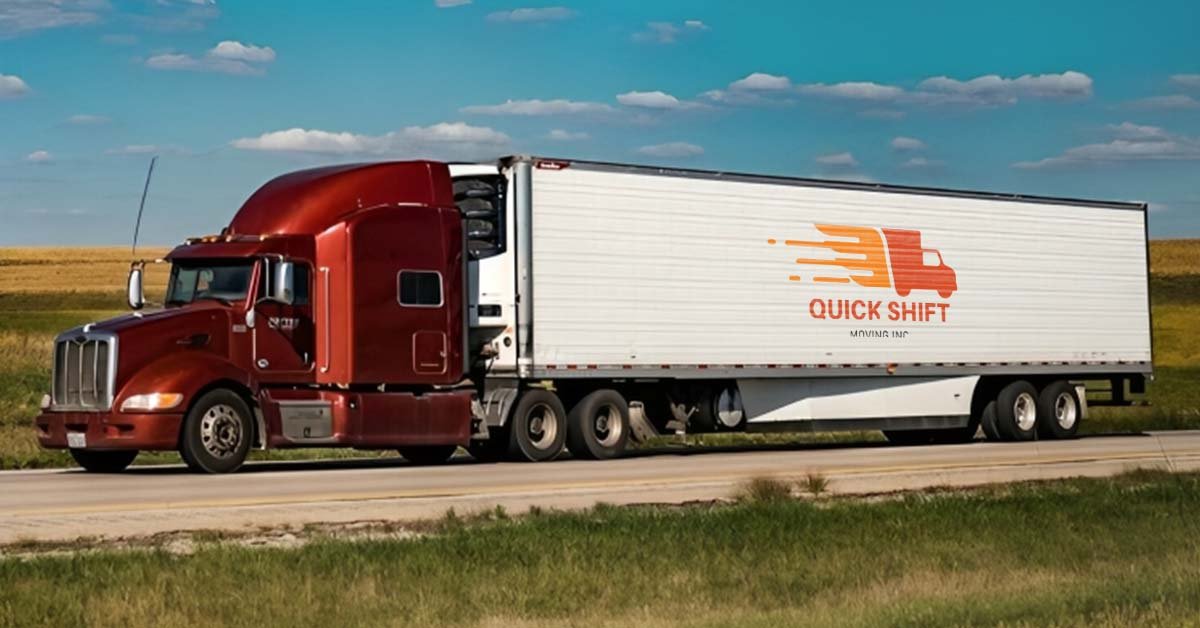
As of September 2025, the U.S. trucking industry has transitioned from the severe contraction phase of 2023 into a lengthy correction cycle. The rate of rebalancing is slow and uneven since freight volumes are still low and tariff-driven cost constraints continue to put pressure on profits, even while capacity is steadily tightening.
In 2026, trade policy decisions, regulatory clarification on EPA 2027 emissions limits, and consumer demand trends will all have a significant impact on the North American trucking business. Whether the industry stabilizes or stays stuck in a protracted low-growth phase will depend on important elements like freight recovery time, Class 8 production trends, and changes in macroeconomic policy.
The trucking sector is always changing due to economic changes, new legislation, evolving client needs, and technological improvements. A number of important trends that will have a big impact on the industry have surfaced as we approach the new year. Companies may stay ahead of the curve, modify their business plans, and achieve success in a market that is becoming more and more competitive if they comprehend these patterns and their possible ramifications.
Here’s a closer look at the major trends that the trucking industry will be dealing with in 2025 and beyond.
In 2025,what might trucking companies anticipate?
A moment of cautious optimism is in store for the trucking business. Although some businesses have struggled in recent years due to issues including supply chain interruptions and growing fuel prices, the trucking and freight sector has a bright future overall. As the world economy recovers from the COVID-19 pandemic, industry experts predict that market conditions will continue to improve and that demand for transportation services will rise until 2025. This encouraging trend does not, however, guarantee a smooth future, and anticipating market movements might assist businesses in navigating the terrain.
An increase in freight over long distances
Long-distance freight demands are expected to rise for the trucking sector in 2025 and subsequent years. This increase highlights the interdependence of global supply chains and can be partially due to anticipated increases in both air and maritime freight. Trucking businesses will be essential to guaranteeing the timely and effective transportation of these shipments to their final destinations as more commodities pass through ports and airports.
Growth in Self-Driving Trucks
By 2025, autonomous trucks and semi-autonomous technology are expected to become very popular. In addition to increasing road safety, the ongoing development and application of features like adaptive cruise control and sophisticated radar safety systems will also help with fuel economy and lessen driver fatigue. Even though fleets of autonomous cars might not exist in 2025, trucking companies will probably gradually move toward more automation as these technologies advance.
A rise in the use of technology
With developments in autonomous vehicle technology, transportation management systems (TMS), and electronic logging devices (ELDs) driving major changes, the trucking industry is undergoing a technological revolution that is anticipated to last until 2025 and beyond. By increasing fuel efficiency, optimizing routes, and simplifying fleet administration, these advances have the potential to completely transform the sector. Trucking companies that use this technology can anticipate more output, lower expenses, and better efficiency.
Trailers
In September, the trailer market began to slump once more. Build continued to outpace new bookings, with net orders totaling 11.4k units, down 5% year over year. The BL/BU ratio dropped to 3.3 months, far below long-term averages, while backlogs decreased 14% year over year.
While flatbed (platform) orders show a 57% y/y gain on simpler comparisons, dry van and reefer segments continue to be sluggish. In order to control stocks and match production to demand, OEMs are sticking to shortened build schedules into early 2026.
Conclusion
The trucking business is about to undergo a revolution characterized by technological advancements, a push for more environmentally friendly operations, and a changing market and supply chain. Transportation companies need to proactively adjust to the trends that the transportation industry is facing as we traverse the road ahead in 2025. To keep ahead of the curve and enhance your company’s operations, it’s critical to comprehend the trends that will influence trucking in the future. To find out how Quick Shift Moving Inc.’s TMS solutions may assist you in navigating the upcoming developments in the transportation business, get in touch with Quick Shift right now!
FAQs
Q1: What prospects does trucking have in the United States?
In 2026, trade policy decisions, regulatory clarification on EPA 2027 emissions limits, and consumer demand trends will all have a significant impact on the North American trucking business.
Q2: What is the most challenging aspect of driving a truck?
Driving for extended periods of time can be physically taxing. Long stretches of sitting put stress on the body, which can result in back discomfort and other musculoskeletal problems. These difficulties are made worse by the job-related unpredictable sleep patterns.
Q3: In 2025, will trucking get better?
Washington. According to the American Trucking Association’s most recent annual freight estimate, truck volumes are predicted to increase by 1.6% in 2025 following two years of reductions.
Q4: In transportation, what is the 60-70 rule?
No truck driver is allowed to operate a vehicle for more than 60 hours in seven consecutive days or 70 hours in eight consecutive days under the 60/70-Hour Rule.
Q5: What are the most recent developments in the transportation sector?
However, the two megatrends of digitalization and sustainability are reshaping transportation.