
There are numerous logistics, including packing tape and endless checklists, involved in moving to a new house. However, it’s simple to ignore one significant risk in the midst of the mayhem: theft. Relocations provide the ideal environment for possessions to disappear, regardless of whether you hire professional movers or do it yourself. Movers take shortcuts, boxes inexplicably disappear, or a storage container isn’t as safe as you anticipated. It’s expensive, difficult, and regrettably not that uncommon.
Before moving, do some research and become ready.
When moving, a woman is making a list of things.
Early preparation is one of the best strategies to deter theft. Because you don’t have control over the specifics, a hasty or chaotic relocation increases the likelihood of lost or stolen items.
Do a comprehensive investigation of your moving choices.
Look for businesses that are insured and licensed if you intend to hire movers. Verify the company’s listing on the Federal Motor Carrier Safety Administration (FMCSA) website and look up the U.S. Department of Transportation (DOT) number for interstate moves.
Before you pack, do a complete inventory of everything you own.
Try using a home inventory app or a spreadsheet. Give each item a description, a serial number (for electronics), and a picture.
Put logical and unambiguous labels on your packaging.
Don’t write words like “jewelry” or “electronics” on the exterior. Choose a numbered or color-coded system that makes sense to you but is difficult for others to understand.
Select a trustworthy moving company.
Not every moving company is made equal, and regrettably, some are blatant frauds. One of the most crucial choices you’ll make is selecting the appropriate mover. Here’s how to select the best team the first time:
Check validity right away.
Reputable movers will have insurance, a license, and a bond. Consult the consumer protection bureau in your state for local moves.
Keep an eye out for warning signs:
l A quote that is significantly less than that of competitors
l Requests for substantial cash deposits or payments made exclusively with cash
l refusal to submit a formal contract
l Absence of a website or physical address
Before moving, make sure your belongings are secure.
Certain things are too crucial to take the chance of transferring to others. Keep your most priceless and unique possessions with you, whether you’re moving to a new city or just down the street.
l Put passports, birth certificates, bank account information, legal documents, sentimental jewelry, and necessary electronics in a high-value box.
l Store this in your own car or bring it with you if you’re traveling.
l Put locks or tamper-evident tape on boxes that hold expensive goods. This increases security and makes it clear whether someone has attempted to open them.
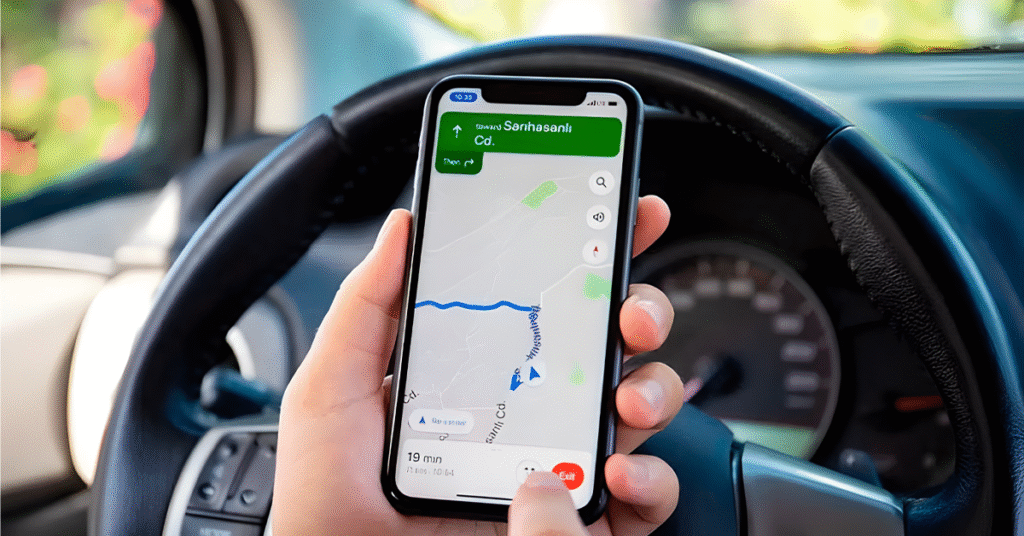
Make the most of technology (benefits)
During your move, tech tools might provide you with additional visibility and control. Use spreadsheets to keep track of your inventory, smart gadgets to keep an eye on activity, or a GPS app on your phone to track shipments. Going digital allows you to stay informed and safeguard your possessions wherever you are.
Use GPS tracking if your moving company provides it:
Long-distance carriers are increasingly offering this option, which provides you with real-time information about the whereabouts of your package.
Install smart doorbells or security cameras.
To keep an eye on the loading area, particularly if movers are entering and leaving your house unattended. For a relocation, some homeowners set up temporary cameras.
Take pictures and record everything:
Take clear pictures of the boxes, especially the ones that have important valuables, before you leave your house.
Conclusion
Immediately submit a formal claim to the moving company if anything is lost or damaged. Add any correspondence, inventory records, photographs, and receipts. You can escalate your claim through the FMCSA or state consumer protection agency if the mover declines to address the problem.
Additionally, if you suspect theft, don’t be afraid to report it to the authorities, particularly if you think it occurred during a halt or storage time. Insurance claims may require a report, which also aids law enforcement in identifying trends and repeat offenders.
FAQs
Q1: How can theft be avoided?
Never leave personal belongings like phones, wallets, or purses unsecured, not even for a little period of time.
Q2: How can I prevent theft?
The FBI reports that the majority of break-ins occur in the middle of the day while individuals are at work or running errands, and they increase over the summer.
Q3: Theft protection: what is it?
The tools that Android provides, both preventive and reactive, to shield your devices and data from unwanted access in the case of theft are referred to as theft protection.
Q4: Which is a stronger protection against theft?
Ownership or a claim of right
Q5: When are thieves most likely to commit crimes?
Break-ins happen most frequently between 10 a.m. and 3 p.m. The majority of burglars prefer to try a break-in during the day, when they think no one would be home, rather than at night.