
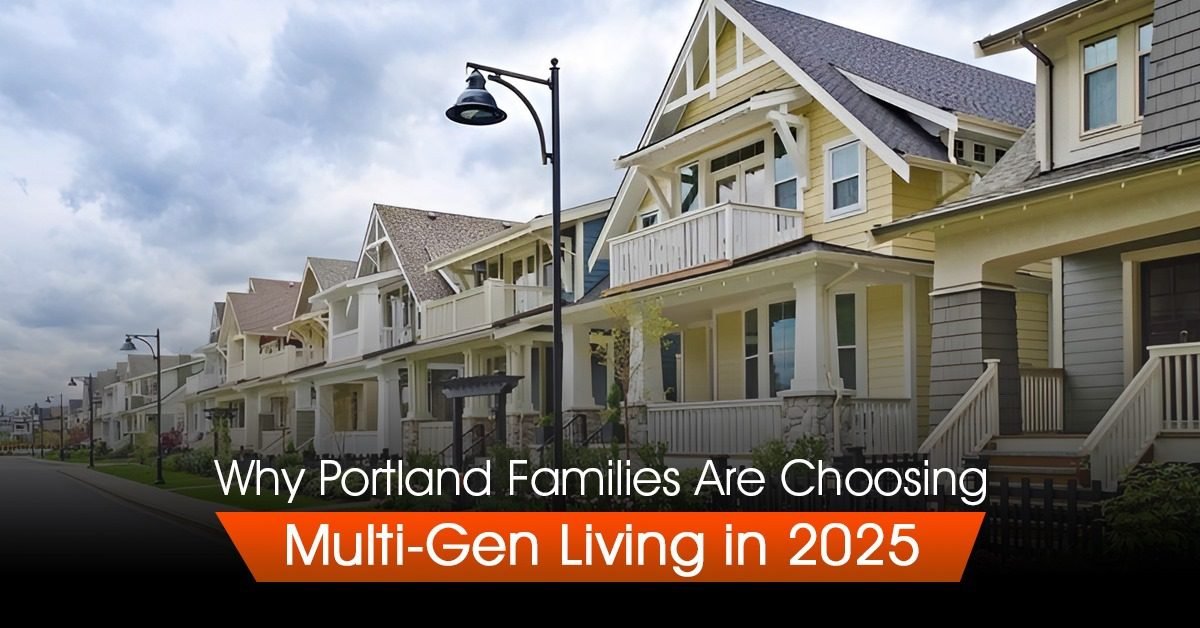

Portland saw a 35% increase in multigenerational home relocations, pushing local moving companies to develop specific offerings such as storage options, senior moving expertise, and space planning aid.
A growing number of families are choosing multigenerational living. According to a recent National Association of Realtors research, this type of living arrangement—where grandparents, parents, and children live together—will reach a 10-year high in 2024.
Multigenerational Living Benefits.
Moving in with children can be a win-win situation for retirees: if you’re approaching retirement age or have recently retired, splitting expenditures with adult offspring can help you save money and protect your retirement fund.
“Multigenerational living can be a powerful financial strategy for retirees—and the entire household,” said Skyler Denny, a certified financial planner (CFP) and the creator of Legacy Financial Designs. “Sharing a home allows retirees to reduce major expenses like housing, utilities, groceries, and transportation.”
Economic Factors, Effort, and Multigenerational Living Set up.
Rising housing costs in the Portland area have contributed greatly to the tendency of many generations sharing a single home. Families are increasingly pooling resources, with adult offspring returning to their parents’ homes or aging parents moving in with younger relatives. The move mirrors broader national trends while being especially noticeable in Portland’s competitive real estate market.
Multigenerational living right
Choosing Whether Multigenerational Living Is Right for You. It’s crucial to investigate the motivations behind the decision to live together and ascertain whether it’s a suitable fit for all parties before getting into the details. Whether it’s saving money, providing support, or fostering stronger family ties, start the conversation from a place of mutual caring and highlight the possible advantages for all.
Relocation budget
To prevent misconceptions, families should also set ground rules early on, such as how decisions are made in the home and how disputes will be settled.
Establish a shared household budget that accounts for maintenance, housing expenses, food, and utilities. Assign non-financial responsibilities as well, such as child care, cooking, yard maintenance, and caregiving. Arrange frequent family check-in sessions to reevaluate duties as needs change. Financially and emotionally, everyone should feel valued and included.

Specialized Moving Techniques Are Needed for Logistical Challenges
Relocations involving many generations have special logistical challenges that are very different from typical residential moves. These changes frequently entail moving furniture and personal items from two or more different homes into one area, necessitating careful planning and occasionally short-term storage options.
Services for Senior Relocation
The development of multigenerational households has been greatly aided by Portland’s expanding senior population. There is a growing need for specialized senior relocation services that cater to the particular requirements of older individuals throughout transitions, as more adult children welcome aging parents into their homes.
Moving and storage solution
In response to these changing demands, Moving & Storage provides thorough consultancy services to assist families in organizing their consolidation relocations. Pre-move examinations to determine space requirements, furniture positioning suggestions, and, if needed, coordination of various pickup locations are all part of the company’s strategy. This degree of preparation aids families in avoiding typical problems related to merging households.
Multi-Generational Transitions storage solution
Short-term storage gives you breathing room when you’re adjusting to a multigenerational move. Families can place non-essential items in climate-controlled facilities while determining long-term needs for their shared living space. This approach reduces the pressure to make immediate decisions about sentimental items or belongings that might prove useful later.
The Final Evaluation
Living with many generations is growing in popularity, particularly as individuals look for methods to cut expenses.
Living with adult children can provide retirees with a feeling of community, emotional support, and financial respite. This can be a rewarding and long-lasting agreement for all parties if it is thoughtfully managed.
FAQs
Q1: What advantages come with relocating to a multi-generational home?
It can be a fulfilling arrangement that keeps seniors linked to their families while offering them companionship and support.
Q2: Why is the number of Americans 65 and older growing annually?
Due to the massive baby boom generation (those born between 1946 and 1964), the population of people 65 and older is currently growing at a rate never seen in American history.
Q3: Why are so many people relocating to Portland?
Portland is well-known for its progressive ideals and its friendly, open culture, attracting many visitors.
Q4: Are houses with many generations becoming more common?
The number of families with three or more generations living together has increased, according to data from the U.S. Census Bureau.
Q5: What is the main drawback of families with many generations?
Drawbacks: In multi-generational households, 40% of adults report that it is difficult occasionally, and 23% report that it is stressful all or most of the time.