
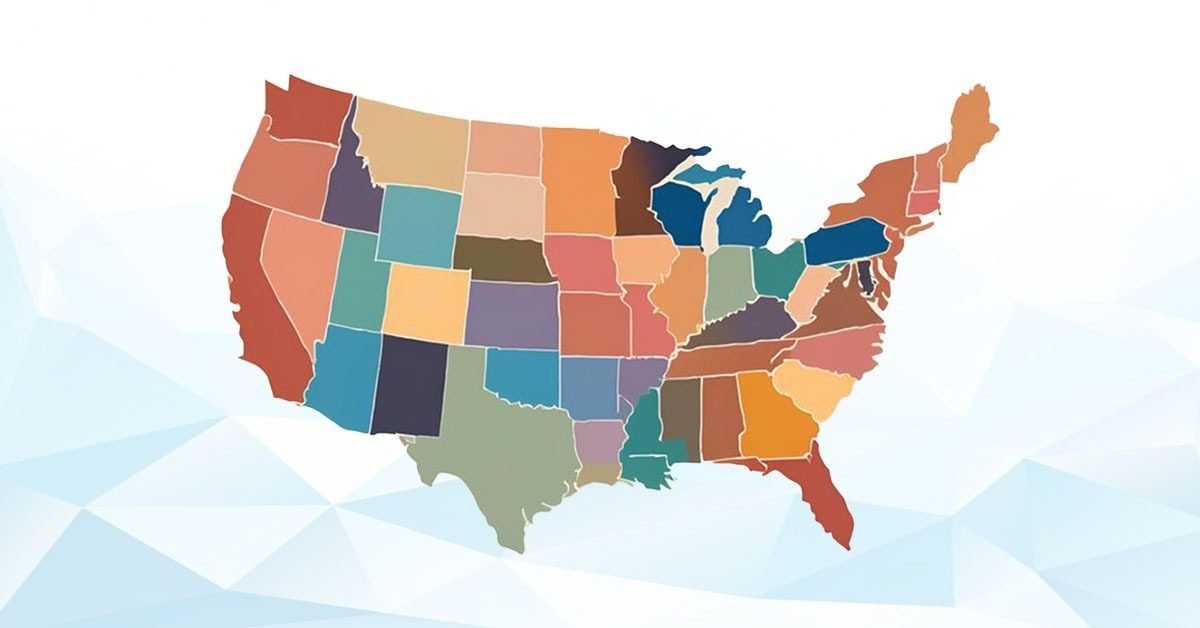

America’s history is one of migration. The majority of Americans are descended from immigrants, and 13.6% of us were born abroad. Moving within the nation is also a part of this migration narrative. Americans have traveled from cities in the Northeast to the South and West, settled on the frontier, and relocated to the suburbs throughout the past 200 years.
The number of Americans who have relocated within their county, state, or out of state has progressively decreased over the past 35 years to almost half of their prior levels. Just 1.5% of Americans relocated from one state to another between March 2018 and 2019, whereas 5.9% relocated inside the same county.
Americans Are Relocating Less, But Their Reasons Are Still Clear
According to data from the U.S. Census Bureau, the annual relocation rate has been steadily declining. Approximately 16.2% of people relocated within a year in 2006. Only 9.1% of Americans moved within the same state by 2023, compared to 13.5% in 2006. Between 2.3% and 2.7%, interstate migrations stayed comparatively steady.
After 2020, this reduction picked up speed, probably as a result of a combination of rising remote employment, high housing expenses, and pandemic-related anxiety. Americans are consequently becoming more thoughtful about when and why they relocate.
Principal Causes of Relocation Based on Statistics
Reasons Associated with Housing
One of the most frequent choices people make is to relocate in search of housing. It is frequently associated with finding a better or safer area to live, saving money, or enhancing one’s lifestyle. These kinds of relocations show how people wish to adapt to changes in their lives or alter their living circumstances.
These choices are typically well-considered and carefully, and purposefully planned. And many people and families search for trustworthy home moving services to facilitate a seamless transfer when it comes time to move on.
Preferred to Own a House Rather Than Rent One
For the first time since the start of the pandemic, American mobility is increasing. Relocating outside of their local county and even out of state is becoming more common. Seeking larger or more contemporary residences, moving from renting to purchasing, establishing new households, and pursuing new employment opportunities are the main causes of these relocations.
Financial Investment: Rather than paying rent with no return, owning enables people to grow equity. Selecting a reputable local mover can significantly reduce the stress associated with moving.
Relocated for Less Expensive Housing
Some people relocate to reduce costs rather than for upgrades. One of the main reasons individuals look for more economical solutions, particularly in uncertain times, is the expense of housing.
Reduced Monthly Costs: Rent or mortgage expenses might be lowered by downsizing or relocating to less expensive places. This frequently frees up funds for savings, schooling, or other necessities.
Conclusion
The conclusion drawn from patterns indicating fewer individuals relocating is that America is undergoing a significant, potentially detrimental transformation as a result of slower population growth, an older population, and economic distress. This lack of mobility is associated with lower immigration and birth rates, which could result in labor shortages, a declining workforce compared to seniors, increased strain on public services, and difficulties with economic growth and living standards. In the end, this demographic change may drastically change American culture in ways that will be challenging to adjust to.
FAQs
Q1: How many Americans are relocating?
12.1% of Americans relocated in 2023, including 2.3% moving out of state, according to US Census data. That amounts to about 41 million individuals and $19 billion in yearly moving service expenditures.
Q2: What makes immigration to the United States appealing to everyone?
Higher expected economic gains, advantages in education and the workplace, relative safety and the rule of law, family networks, and international renown are all factors that attract people to the United States.
Q3: In the USA, where are people relocating?
The majority of movers are still drawn to large cities.
Q4: How many people relocate to the United States each day?
Every day, about 2,200 immigrants or refugees who have been granted permanent residency in the United States arrive.
Q5: Which US state is the happiest?
We are not at all shocked to learn that Hawaii is the happiest state in the union.