
By Ujala Umair
Going to a new house can be a fun and fresh start, but there’s an environmental price tag that isn’t always obvious. When people move, they create a lot of garbage, from cardboard boxes to plastic wrap to furniture and household goods thrown away. With the world increasingly becoming environmentally conscious, one question is increasingly on the minds of people: what is the amount of waste generated by moving, and how can this be minimized?
A Growing Environmental Concern
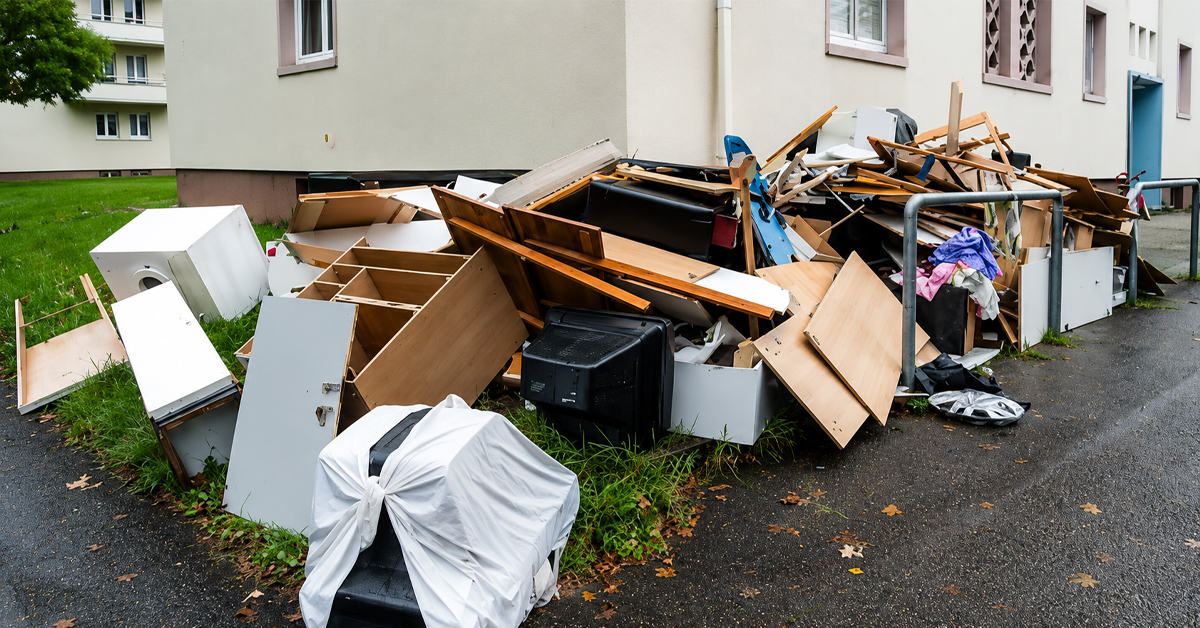
Millions of people move away from their homes every year for various reasons, such as employment, education, or relocating for lifestyle changes. The collective effect of each move is tremendous. Moving creates an abundance of trash, including packing materials, broken items, and even kitchen waste from cleaning out kitchens.
Cardboard boxes make a huge contribution! People use dozens of boxes in a home when moving, and many of these boxes are thrown away only once. Then there is the added environmental impact from the bubble wrap, packing peanuts, tape, and plastic covers.
The Numbers Behind Moving Waste
While the amount of waste created during an average household move can’t be calculated exactly, studies indicate that hundreds of kilograms can be created. Much of this is comprised of things that are either thrown away before the move or left behind because it’s easier than carrying them.
Many products, such as furniture, electronics, and clothing, are discarded rather than reused or donated. People often prefer to change items rather than to move them, particularly for long-distance moves. This is a way in which a lot of waste is added to landfills.
How to Reduce Waste . Why is there so much waste?
Relocation results in a significant quantity of waste for several reasons:
Quick and easy vs sustainable: People are thinking of quick and easy if they need to move, sometimes opting for disposable products.
No planning: If not organised, it becomes over-packed, and unnecessary purchases are made.
Recycling awareness is limited: Many do not know how and where to recycle.
Short turnaround time: Limited time to sort, donate, or recycle things.
These factors all contribute to making moving one of the most wasteful life events.
The key role played by Technology and Smart Practices.
Fortunately, it is possible to achieve waste reduction with the correct approach. Sustainable relocation is being achieved by the use of technology and smarter planning.
Digital inventory tools assist people in monitoring possessions and staying clear of cluttered packing products. Online marketplaces and donation sites are more convenient than throwing away unwanted items. Also, the eco-friendly moving firms now provide eco-friendly moving solutions and reusable packing solutions.
The use of biodegradable packing materials, hire boxes, and minimal packaging can help to minimize waste. Planning can also help people to organize, give away items they don’t need, and responsibly recycle.
The Role of Moving Companies
Modern moving companies are taking steps to be more eco-friendly. There are many who now supply green moving services, which include a move to fuel-efficient vehicles, optimised routes to lower carbon emissions, and reusable containers.
The selection of a responsible moving company can go a long way in reducing waste. Consumers are more conscious about sustainability and demand that companies be more sustainable.
A change towards sustainable moving.
The increasing awareness of people is leading them to reconsider the relocation process. Sustainable moving is not an option anymore; it’s a must. When implemented on a wider scale, these seemingly insignificant measures can make a huge difference, like reusing boxes or donating old furniture.
Recycling and waste reduction initiatives are also encouraged by governments and organizations to reduce the effects of moving on the environment. The industry has the potential to achieve sustainability through joint action.
Conclusion
Moving doesn’t have to be environmentally costly. Relocation creates a significant amount of waste, but there are steps individuals can take and solutions available to minimize the effects. With some eco-friendly practices and the use of technology, people can make their moving experience eco-friendly.
When you’re next moving, keep in mind that each decision you make is not just for the home you’re moving into, it’s for the planet as well.
FAQs
1. On average, how much waste material is generated in a move?
On average, 1000s of kg of waste are produced by an average household move, such as packing materials and items thrown out.
2. What are the main sources of moving waste?
Common sources include unwanted furniture, household items, plastic packaging, and cardboard boxes.
3. What are some ways that I can minimize waste on a move?
Buy used boxes, give away surplus goods, recycle items, and organise your move beforehand.
4. Do you have the choice of eco-friendly moving services?
Yes, many companies provide sustainable moving services like using reusable packing materials and efficient transportation.
5. Why is it important to minimize the waste that is moving?
Eliminating waste will have the benefit of helping protect the environment, conserving resources, and minimizing the carbon footprint associated with relocation.