


In 2025, the economic priorities, along with the flexibility of remote work and affordability, kept altering the residential location of Americans. Although the old population centers still have their significance, many regions, such as the Carolinas and Idaho, were noted to be the most preferred areas by the out-of-state movers, as they had attracted thousands of new citizens who wanted to relocate to such areas because of their low living expenses, good job opportunities, and improved quality of life.
The trends, according to analysts, are indicative of more profound shifts in the way Americans consider financial security, lifestyle choice, and flexibility in their careers when making decisions about where to establish residence.
In-Migration Increases in the Carolinas.
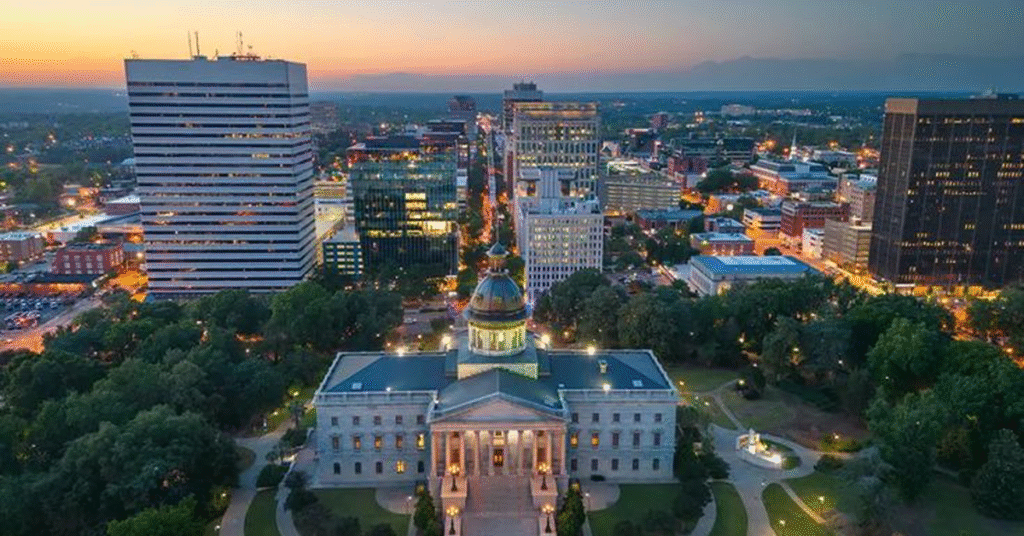
North and South Carolina realized such significant growth, as residents of high-cost states like California, New York, and Illinois migrated to these states because of affordability. The cities of Charlotte, Raleigh, and Greenville, in particular, gained particular popularity, which provided an opportunity to enjoy a combination of strong employment opportunities, a growing housing supply, and relatively lower prices in comparison to the metropolitan areas in the coastal regions.
According to experts, the appeal of the quality of life in the Carolinas, including the outdoor recreation, cultural facilities, and the increasing number of tech-centric companies, contributed to in-migration. Inexpensive housing in comparison to most of the cities in the north and west enabled many movers to purchase houses earlier than their former residences.
Idaho keeps attracting new people to live in it.
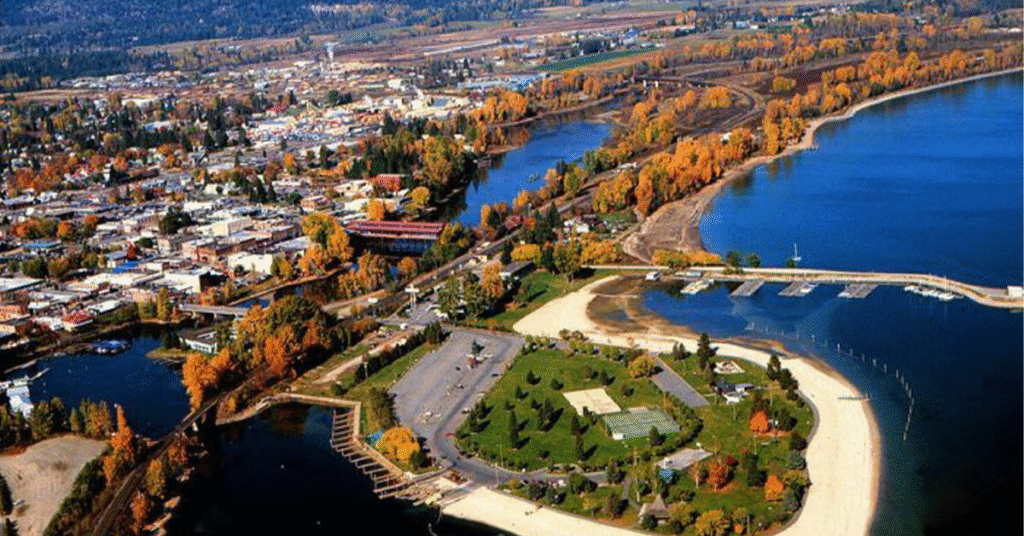
The state of Idaho and especially the Boise metro area continued to be on the list of relocation destinations in 2025. Although the past few years have seen housing prices rise faster than it was ten years ago, Idaho has maintained a relatively low cost of living and has outdoor amenities that are refreshing to both the young professional and family.
Employees who could work remotely were especially intrigued by Idaho and its work-life balance, plus reduced total cost. The further economic diversification of the state, such as the increase in the technical, healthcare, and distribution spheres, also contributed to its attractiveness.
The Sun Belt and Mountain Areas are the leaders ahead of the traditional hubs.
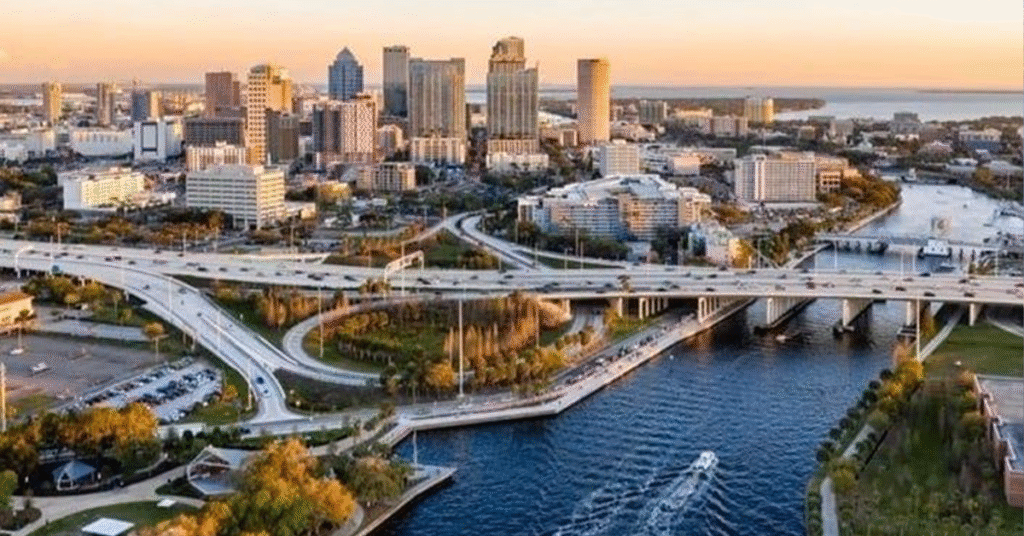
In other parts of the country, particularly in inland and Sun Belt cities, there were large net gains in migration. Texas, Tennessee, and Georgia proved to draw inhabitants to the costlier coastal areas because of affordable houses and employment possibilities.
Meanwhile, several mountain towns in the west and smaller metros attracted new residents in search of outdoors lifestyle and community services, which were not always found in larger cities. This trend highlights the larger migration trends in the US in which super-dense urban centers are being abandoned, particularly by remote workers and retirees.
What’s Driving These Moves?
Migration decisions in 2025 were defined by several important factors:
Affordability
The increase in home prices in traditional coastal bastions compelled a lot of people to look at cheaper metros. The other attractive alternatives were states with low property taxes and cost of living.
Remote and Hybrid Work
The remote work still allowed people to live longer distances from the traditional job centers. Workers favored a lifestyle and cost-saving without the need to travel to their jobs on a daily basis.
Job Market Growth
Areas where there is a growing number of jobs in technology, healthcare, education, and logistics received out-of-state job seekers, creating a backlog of domestic migration.
Quality of Life
Availability of outdoor recreation, cultural services, and services available in the community were vital in relocation decisions, particularly to families and retirees.
Cities Facing Out-Migration
As the populations of some areas grew substantially, other large urban centers recorded losses in 2025. The high cost of housing, taxation, and problems of living quality forced people out of cities like San Francisco, New York, and Los Angeles. Numerous individuals moving out of these hubs mentioned the possibility of getting a bigger living place and reducing their monthly payments as one of their reasons.
Economic and Social Impacts
There are important consequences of migration flows to the communities of origin and destination. The high rate at which the population in receiving cities grows may overstretch infrastructure, schools, and housing supply, and this makes planning and investment take precedence among local policymakers.
On the other hand, cities that are losing their inhabitants might struggle to attract local businesses, local tax revenue, and community participation. Nevertheless, there are also certain areas that will have a positive impact due to the expansion of remote work outreach and investment incentives and the establishment of new industries.

Looking Ahead
It is projected that the patterns of migration that were experienced during 2025 will most probably continue into the near future, but the rate can change depending on the economic situation, the availability of houses, and the changing work models.
To a large number of Americans, relocation is becoming more of a strategic financial and lifestyle choice, a method to negotiate the issue of affordability, while investing the most in personal and career development opportunities.
FAQs
1. Why are the Americans abandoning urbanization along the coast?
The high housing costs, taxes, and overcrowding were cited by many residents as reasons for moving.
2. What states will have the largest increase in population in 2025?
Out-of-state movers brought a large population to the Carolinas and Idaho.
3. Does telecommuting affect residential choice?
Yes- remote and hybrid work arrangements enable employees to focus more on affordability and lifestyle as opposed to location to job centers.
4. Is there an increase in housing prices in the migration destination cities?
Destinations have experienced higher prices, but a large number of them are still cheaper than the large metropolitan areas on the coast.
5. How does migration impact the economies of cities?
The effect of increased population is that it can increase local economies; however, the infrastructure and availability of housing can be overstretched in cases where the population increases fast.